By Chris Deluca
September 4, 2026
Bathrooms and laundry rooms place very different demands on interior walls than bedrooms, offices, and other relatively dry spaces. Steam from showers, changing humidity levels, plumbing fixtures, washing machines, and occasional splashes can expose these rooms to moisture on a regular basis. Because standard wall materials may not be appropriate for every environment, moisture-resistant drywall can provide added protection where damp conditions are more likely. Experienced custom home drywall contractors can help ensure the appropriate drywall products are selected for each area of a home.
Drywall is already an essential component of modern residential construction. According to the Family Handyman, more than 92% of newly constructed homes in the United States use drywall as a primary interior wall covering. However, different rooms can require different drywall products based on their conditions and intended uses. Bathrooms and laundry rooms deserve particular attention because repeated moisture exposure can affect wall surfaces and materials over time. Understanding why moisture-resistant drywall matters can help homeowners appreciate its role in creating durable, attractive, and appropriately finished spaces.
Reducing the Effects of Everyday Moisture
Managing Frequent Humidity
Bathrooms regularly experience elevated humidity when showers and baths produce warm, moist air. Laundry rooms can also become humid as appliances operate. Moisture-resistant drywall is manufactured for environments where greater moisture exposure may occur, making it an important consideration when planning these rooms.
Accounting for Routine Splashes
Sinks and other water sources can expose surrounding surfaces to occasional splashes. Although drywall should not substitute for materials required in direct wet areas, choosing an appropriate product for nearby locations helps create an interior better suited to everyday conditions.
Protecting Vulnerable Surfaces
Walls can encounter moisture repeatedly throughout the life of a home. Professional custom home drywall contractors understand that selecting materials according to the conditions of each room is important for supporting long-term wall performance.
Creating Appropriate Interiors
A custom home should be constructed around how its rooms will actually function. Specifying moisture-resistant materials where appropriate allows bathrooms and laundry rooms to receive wall systems better matched to their environments rather than treating every interior space identically.
Supporting Longer-Lasting Wall Surfaces
Limiting Moisture-Related Deterioration
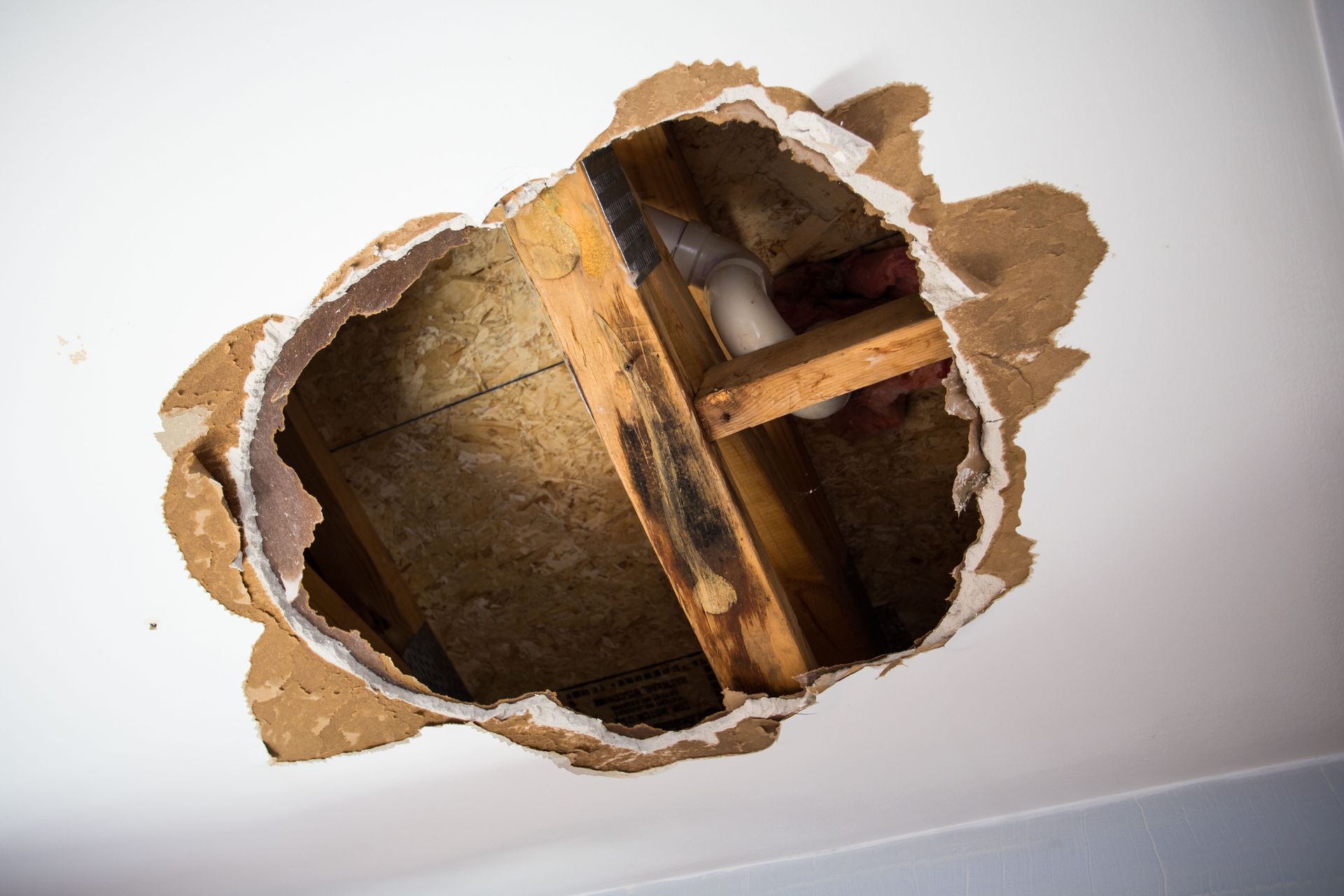
Repeated exposure to damp conditions can be difficult on interior building materials. Moisture-resistant drywall provides greater resistance to moisture than conventional drywall, helping walls remain better suited to rooms where humidity and occasional dampness are common.
Preserving Finished Appearance
Walls contribute significantly to how a bathroom or laundry room looks. When the underlying material is appropriate for the environment, finished surfaces have a stronger foundation. This supports the clean, polished appearance homeowners expect from professionally completed interiors.
Matching Materials to Conditions
Material selection should reflect how a room will be used. Experienced custom home drywall contractors can follow project requirements and determine where specialized drywall products belong, helping ensure that wall construction corresponds with anticipated environmental conditions.
Protecting the Building Investment
Custom construction represents a substantial investment, and material choices can influence how well finished spaces perform over time. Using suitable drywall in moisture-prone locations supports the larger goal of creating a home with durable, thoughtfully planned interiors.
Supporting Bathroom Performance
Handling Changing Humidity Levels
Bathroom conditions can change quickly. A room that begins dry may become humid after a long shower and gradually return to normal afterward. Materials used in the space should therefore be selected with these recurring changes in mind.
Complementing Bathroom Ventilation
Ventilation plays an important role in managing bathroom moisture, but it does not eliminate the need for appropriate construction materials. Moisture-resistant drywall can be one component of a broader design intended to accommodate the room's environmental demands.
Distinguishing Damp and Wet Areas
Not every bathroom surface experiences the same level of water exposure. Areas subject to direct water require materials and assemblies specified for those conditions. Professional custom home drywall contractors can help ensure drywall is used only where appropriate within the overall bathroom design.
Maintaining a Finished Look
Bathrooms are highly visible spaces where homeowners often invest considerable attention in fixtures, cabinetry, lighting, and finishes. Proper wall construction provides a clean backdrop for those features and helps the entire room feel cohesive and professionally completed.
Supporting Laundry Room Performance
Accommodating Appliance Activity
Washers and dryers make laundry rooms hardworking spaces. Depending on the appliances, ventilation, and room configuration, heat and humidity can fluctuate during normal use. Wall materials should be selected with this active environment in mind.
Accounting for Plumbing Connections
Laundry rooms typically contain water supply lines, drains, utility sinks, or other plumbing components. These features make moisture considerations particularly relevant when choosing surrounding construction materials, even when the plumbing system is functioning normally.
Preparing for Everyday Conditions
A laundry room may experience splashes, damp clothing, humidity, and frequent use throughout the week. Working with knowledgeable custom home drywall contractors helps ensure that material choices reflect these everyday realities rather than simply matching products used in drier areas of the home.
Maintaining an Attractive Utility Space
Modern laundry rooms are often designed as finished extensions of the home rather than purely utilitarian spaces. Smooth, professionally finished walls can complement cabinetry, counters, flooring, and storage while providing a foundation appropriate for the room's conditions.
Supporting a Professional Finished Appearance
Creating Smooth Surfaces
The visual quality of drywall depends heavily on professional installation and finishing. Properly completed joints, corners, and transitions create smooth surfaces that allow the finished bathroom or laundry room to look intentional and refined.
Coordinating With Other Finishes
Drywall frequently meets tile, cabinetry, trim, backsplashes, and other materials in moisture-prone rooms. Accurate installation helps create cleaner transitions between these features and contributes to the overall quality of the completed interior.
Maintaining Consistent Workmanship
Specialized drywall still requires careful installation to achieve the intended result. Qualified custom home drywall contractors understand how material selection and workmanship work together, helping homeowners receive walls that support both functional requirements and design goals.
Enhancing the Overall Design
Even when drywall is not the most noticeable feature in a room, it affects how nearly everything else looks. Straight walls, clean corners, and smooth finishes establish a professional foundation that allows decorative elements to receive the attention they deserve.
Supporting Thoughtful Custom Home Construction
Planning for Room-Specific Needs
One advantage of custom construction is the ability to consider the individual requirements of each space. Bathrooms and laundry rooms can be planned differently from bedrooms and living areas because their moisture conditions and daily functions are different.
Selecting Appropriate Materials
There are several drywall products designed for particular applications, and selecting among them should be based on project specifications and environmental requirements. Professional custom home drywall contractors can ensure specified materials are incorporated into the appropriate areas of the home.
Coordinating With Other Trades
Drywall installation is part of a larger construction process involving framing, plumbing, electrical systems, ventilation, cabinetry, and other trades. Effective coordination helps ensure walls accommodate necessary systems while supporting the intended layout and finished appearance.
Building for Long-Term Use
Bathrooms and laundry rooms will experience repeated use for years after construction is complete. Selecting materials suited to those conditions helps create spaces prepared for their intended purpose. Thoughtful construction focuses not only on how a room looks when finished but also on how it is expected to function over time.
Moisture-resistant drywall is an important consideration for bathrooms and laundry rooms because these areas encounter environmental conditions that are different from those in many other parts of a home. Humidity, plumbing, appliances, and occasional moisture exposure all influence the materials that should be considered. Choosing drywall appropriate for the application can support durable wall surfaces while providing the smooth, attractive finish homeowners want.
It is also important to remember that moisture-resistant drywall is only one part of a properly designed room. Direct wet areas may require different materials, while ventilation, plumbing, finishes, and other building components must work together to manage the conditions found in bathrooms and laundry rooms. Experienced custom home drywall contractors can coordinate drywall installation with project specifications and the broader construction plan, so specialized products are used appropriately.
When you're planning a new home or creating moisture-prone spaces that require professional drywall installation, contact Modern Drywall, Inc today. Our custom home drywall contractors can provide quality workmanship and appropriate drywall solutions that help your bathrooms and laundry rooms look polished while supporting dependable long-term performance.