By Chris Deluca
September 29, 2026
Choosing the right commercial framing contractor is crucial for the success of any large-scale building project. This decision significantly impacts both the overall quality and the completion timeline of your construction. Partnering with a skilled commercial framing contractor ensures that structural integrity, safety protocols, and budget parameters remain intact throughout every phase of development.
Understanding the Scope of Your Project
The first step in selecting a commercial framing contractor is defining your project requirements clearly. Outline the specific architectural specifications that need adherence, including materials, measurements, and structural load values. Ensure these requirements capture the essence of what you aim to achieve with your build. Without well-defined requirements, both the timeline and budget become unpredictable, leading to unnecessary friction during construction.
Timelines are another critical aspect of understanding your project's scope. Rushing to meet undefined deadlines sacrifices quality, while too much leeway delays commercial operations. A balanced timeline that considers both urgency and structural complexity ensures better planning, allowing the framing team to deploy heavy machinery and labor strategically without compromising safety standards.
The importance of quality expectations cannot be overstated. Clearly define the standard of work acceptable for your project, including material selections like heavy-gauge steel for structural frames or the specific composition of interior assemblies. When reviewing material standards, note that according to Oreate AI, drywall consists of about 70 to 90% gypsum plaster, and up to ten percent can include cellulose fibers found in the paper facing itself. Establishing clear quality benchmarks early helps guide resource utilization and steer the project toward long-term durability.
Assessing Project Size and Complexity
Before hiring a commercial framing contractor, evaluate the physical scale of your build. Large commercial developments necessitate substantial resources, including specialized rigging equipment, crane operators, and multi-crew management strategies. Consider the footprint of the building, the total vertical height, and the intricacies of the architectural design. A clear understanding of project size enables the contractor to plan site logistics, delivery schedules, and labor allocations efficiently.
Complexity is another critical dimension that impacts contractor selection. Commercial builds with unique architectural features, expansive clear spans, or intricate geometrical layouts require specialized structural expertise. It is imperative to identify whether parts of your build involve advanced prefabricated steel systems or custom load-bearing assemblies. Such complexities demand a commercial framing contractor experienced in executing similar engineering feats on past jobs.
Another aspect to consider is whether your commercial development relies on custom-engineered structural solutions or standardized modular components. Custom projects result in unique site conditions requiring agile, tailor-made framing strategies. Contractors specialized in custom commercial builds execute these complex structural demands much better than those accustomed only to basic, repetitive framing plans.
Construction Types: Custom vs. Standard
Custom commercial construction usually incorporates unique structural designs, specialized building materials, and complex rigging methodologies. These builds often require a highly experienced commercial framing contractor familiar with innovative building techniques and current architectural trends. A contractor with a proven track record in custom commercial framing can better meet these unique demands, ensuring the structural vision is fulfilled safely and efficiently.
Standard commercial construction, on the other hand, relies on traditional structural layouts and conventional building practices. These projects follow standardized specifications, which streamline planning, material procurement, and field execution. The challenge lies in identifying a reliable commercial framing contractor with proven efficiency in delivering large-scale standard framing packages on time and strictly within budget.
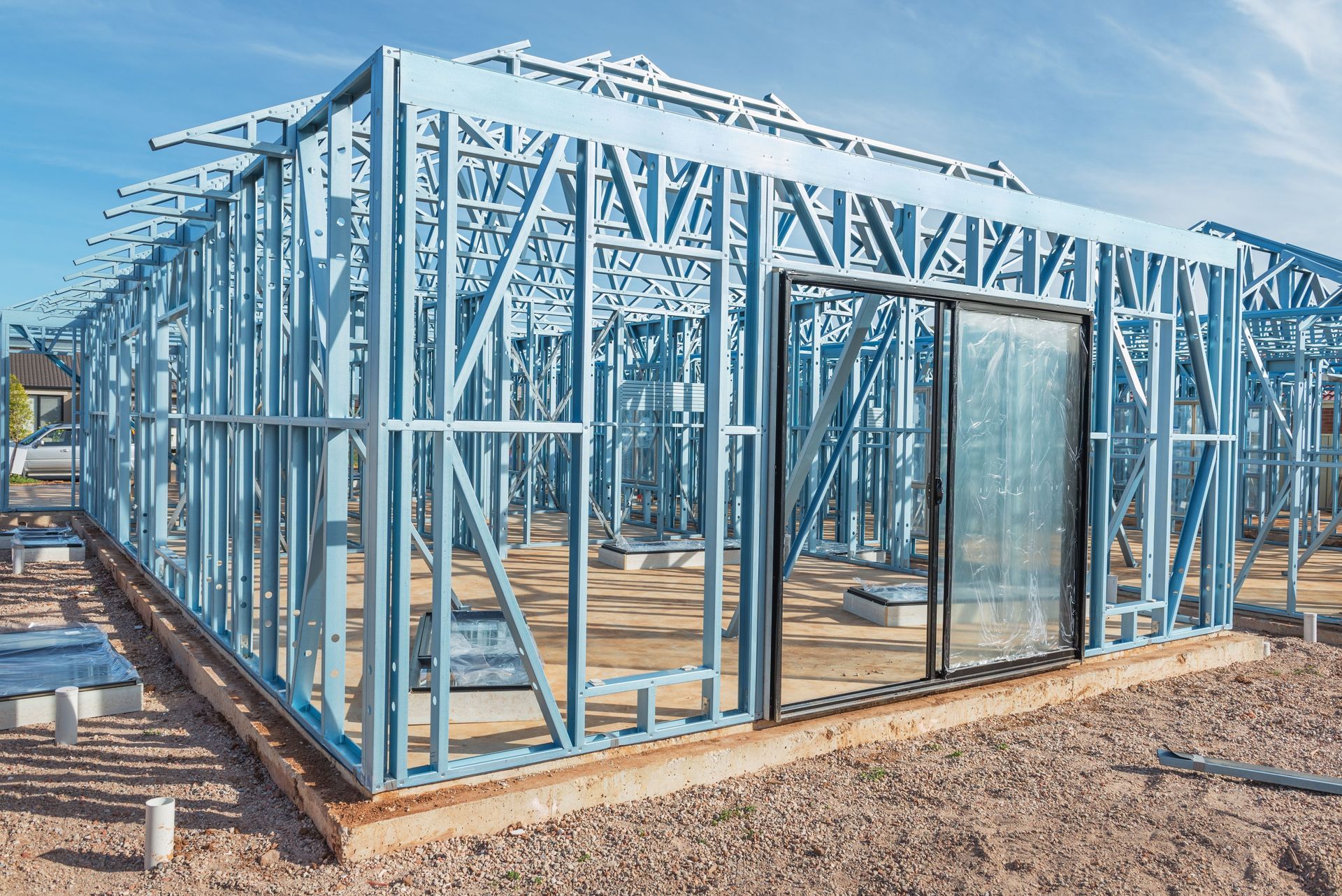
Understanding where your project falls on the spectrum between custom and standard framing influences key procurement decisions. Whether using advanced cold-formed steel framing, heavy timber, or specialized gypsum assemblies, your selected contractor must be thoroughly adept at working with those materials. This foundational alignment assists in the coherent development of your building and facilitates future structural additions seamlessly.
Budget Allocation and Financial Constraints
Financial considerations are central to the scope of any major build, necessitating detailed budget planning. Initially, allocate funds to each phase of structural construction, from initial layout and heavy material delivery to field assembly and safety inspections. Detailed budget allocations should also account for potential material price shifts, ensuring the project remains financially stable from ground-breaking through inspection sign-offs.
Understanding and establishing firm budget constraints ensures operating within a fiscally responsible framework. Large-scale commercial projects can easily succumb to cost overruns if structural framing phases are mismanaged. Identifying a cost-effective commercial framing contractor is essential, but cost management should never involve cutting corners on structural safety or crew sizing.
Incorporating financial contingency plans prepares project leaders for unexpected site hurdles that could otherwise halt construction. Allocating additional funds for bad weather delays, minor engineering adjustments, or supply chain bottlenecks is integral to comprehensive project management. A contractor's ability to navigate these financial challenges reflects their real-world experience, ensuring the framing phase finishes on budget.
Establishing Timelines and Critical Milestones
Setting a realistic commercial project timeline involves defining start and finish dates alongside critical structural milestones. Begin by identifying critical path tasks—the sequential framing activities that directly dictate the overall duration of the build. Understanding these sequences allows project managers to maintain daily focus on the structural elements that drive project completion.
Effective timeline management involves breaking the structural framing phase into logical sub-tasks and measurable milestone goals. Completing multi-story deck framing, exterior shear wall placement, or roof truss erection each represent major project milestones. Contractors adept at hitting these structural benchmarks exhibit superior project management skills and efficient site organization.
The importance of hiring a commercial framing contractor who guarantees realistic timelines cannot be overemphasized. Delays in structural framing cascade down to every subsequent subcontractor, including mechanical, electrical, and plumbing trades, resulting in severe financial penalties. Effective communication regarding framing milestones ensures collaborative planning and keeps the entire construction site operating on schedule.
Researching and Vetting Potential Contractors
Personal recommendations and industry referrals offer invaluable insights into a framing firm's true credibility. Consult general contractors, commercial architects, and structural engineers who have managed similar large-scale builds. Their real-world experiences provide firsthand accounts of a framing contractor’s field performance, safety compliance, and crew management capabilities.
Explore professional construction networks and industry platforms to gather additional referral data. These forums allow commercial developers to share candid feedback regarding subcontractor reliability and craft quality. Engaging in these professional communities offers diverse viewpoints that enrich your evaluation process, ensuring you identify contractors with proven field experience.
In addition to peer referrals, prioritize contractors possessing all necessary state licenses, municipal registrations, and specialty framing certifications. Verifying these credentials confirms strict adherence to regional commercial building codes and OSHA safety standards. Collaborating with a fully certified commercial framing contractor protects project stakeholders from legal liabilities and ensures structural work meets rigorous inspection standards.
Evaluating Portfolio Quality and Past Projects
Assessing a contractor’s past portfolio offers rich insights into their technical capabilities. Concentrate on reviewing completed builds that closely mirror your planned project in scale, vertical height, and structural layout. Examine how the contractor managed complex logistics, material staging, and multi-trade coordination on those previous job sites.
Focus on the structural execution, weld quality, framing straightness, and overall delivery timelines of their past commercial jobs. Reviewing detailed case studies reveals a contractor's technical problem-solving capabilities, proving whether they can overcome unexpected engineering or site layout challenges. Evaluating real-world project portfolios guarantees your chosen team possesses verifiable expertise in large-scale structural framing.
Finally, analyze online business reviews, professional association ratings, and formal background checks. Investigate their commercial safety records, workers' compensation insurance standing, and bonding capacity. A spotless safety track record and robust bonding capabilities indicate a financially healthy, highly professional framing firm capable of successfully executing your large-scale build.
Selecting the right framing partner requires careful evaluation of project scope, structural complexity, financial parameters, and verified industry experience. By thoroughly vetting credentials, past job portfolios, and safety records, commercial developers can secure a partner that delivers exceptional structural integrity on schedule. When planning your next major development, partner with the experienced commercial framing contractor team at Modern Drywall, Inc to ensure your structure is built on a foundation of precision, safety, and lasting quality.