By Chris Deluca
August 31, 2026
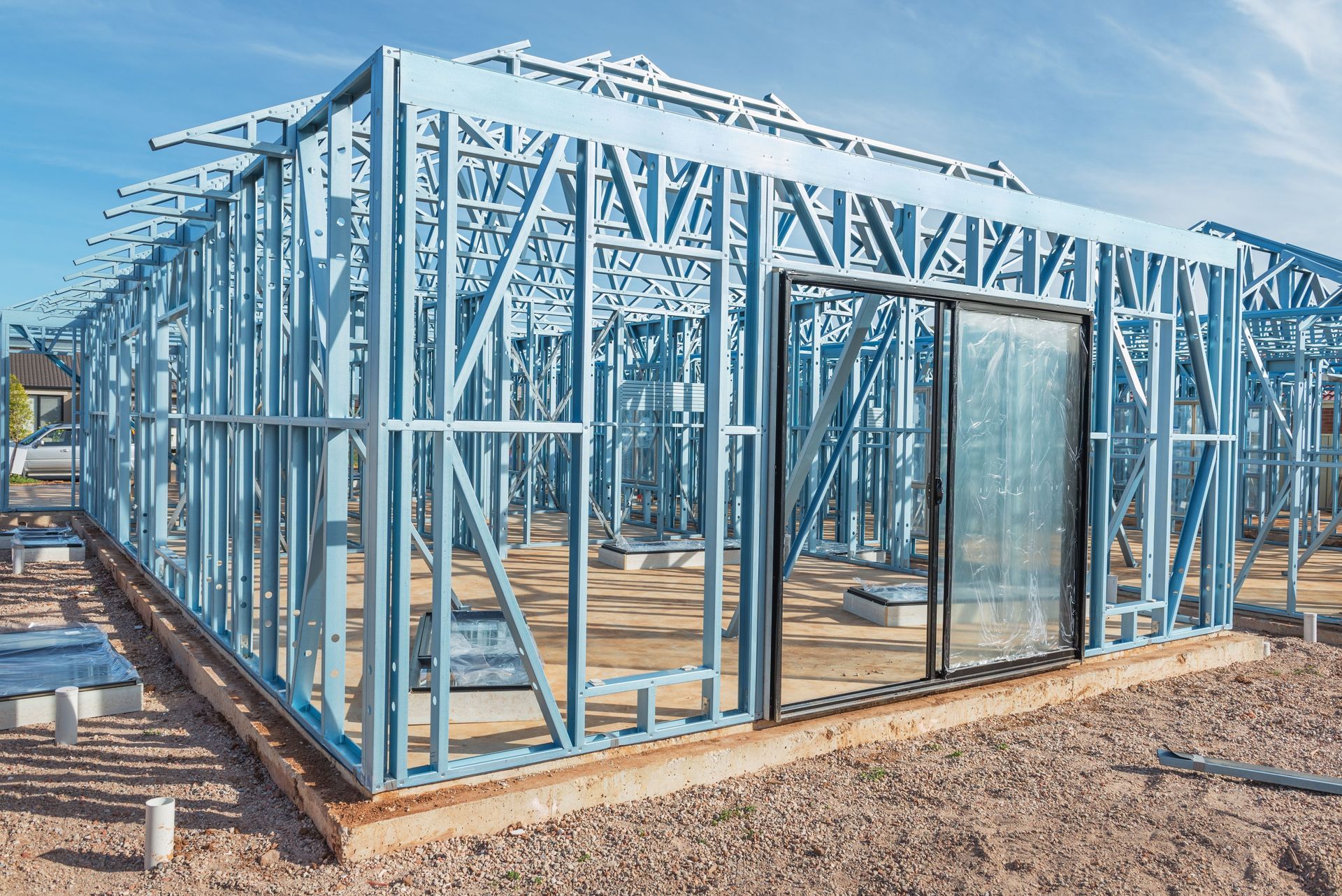
Replacing drywall creates an ideal opportunity to improve more than the appearance of a home. When walls are opened, homeowners can address insulation at the same time, helping improve energy efficiency, comfort, durability, and indoor air quality. Working with an experienced multifamily drywall contractor can also help ensure insulation and drywall work are coordinated properly, especially when a project involves multiple living spaces. This approach can turn a routine drywall replacement into a broader improvement that delivers lasting value.
contr
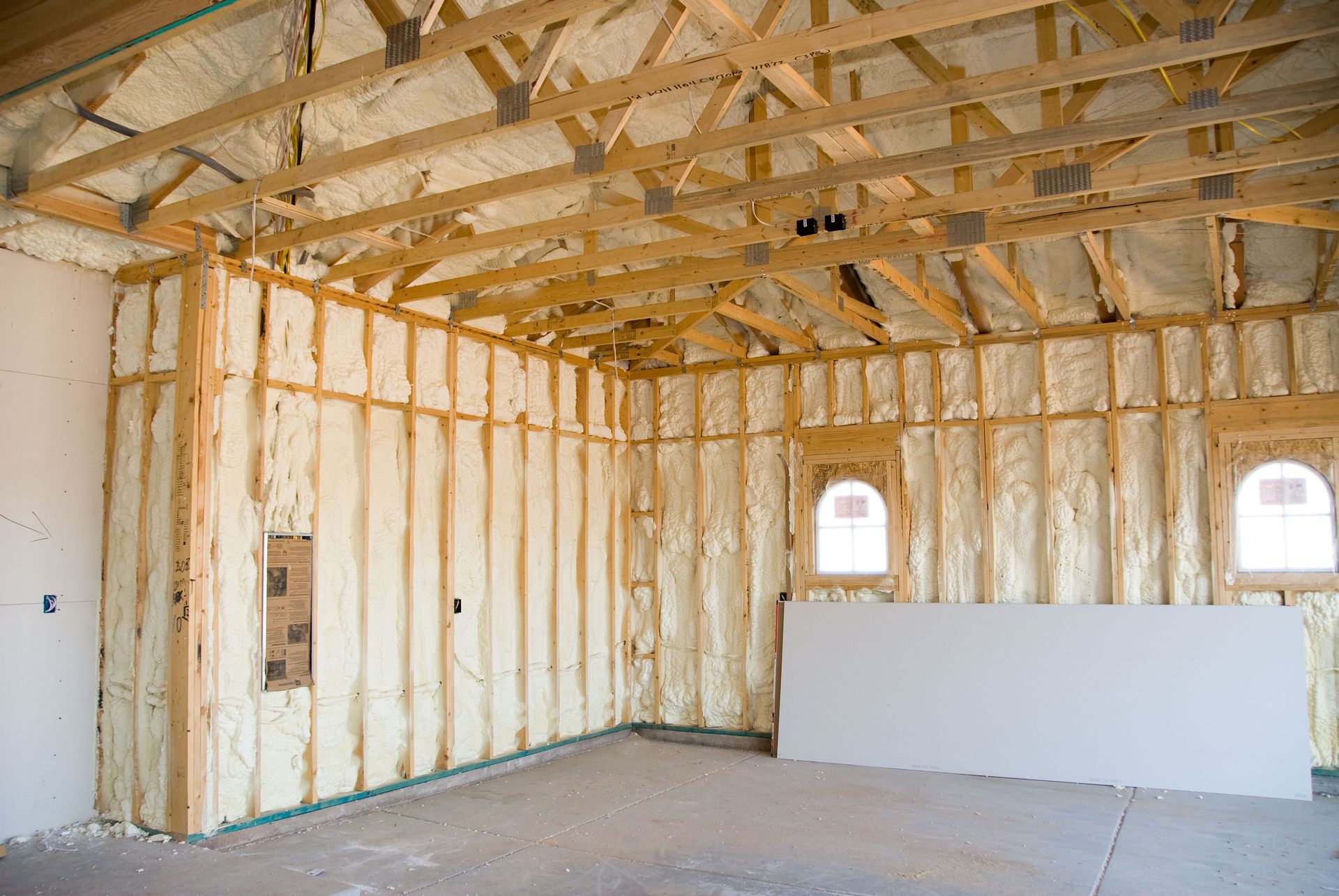
Insulation upgrades are especially practical when existing wall surfaces are already being removed. Rather than waiting for another renovation to access the wall cavities, homeowners can address insulation concerns while the work area is accessible. This can make it easier to identify gaps, damaged materials, or areas where the existing insulation is no longer performing as intended. Combining the work can also create a more cohesive finished wall system.
Improve Energy Efficiency
Upgrading insulation while replacing drywall can help reduce the amount of energy needed to heat and cool a home. Effective insulation slows heat transfer, helping indoor temperatures remain more consistent throughout changing weather. As a result, heating and cooling equipment may not need to work as hard to maintain a comfortable environment.
Better insulation can also help minimize thermal bridging, which occurs when certain areas of a building allow heat to move through the wall more easily. Addressing these weak points while the drywall is already being replaced can create a more consistent thermal barrier. A knowledgeable multifamily drywall contractor can coordinate the wall assembly so insulation and drywall work complement one another rather than treating them as separate improvements.
Improved insulation can be particularly valuable in rooms that are difficult to keep comfortable. Exterior walls, rooms located near unconditioned spaces, and areas affected by drafts may benefit from a more effective thermal barrier. Reducing unwanted heat transfer can help create a steadier indoor environment and may make the entire home feel more balanced.
Another advantage is the potential reduction in HVAC strain. When conditioned air is retained more effectively, heating and cooling systems can operate under more manageable conditions. This can support efficient operation while helping homeowners avoid unnecessary wear associated with constantly compensating for heat loss or heat gain.
Increase Indoor Comfort
Proper insulation can make a noticeable difference in how comfortable a home feels. By reducing drafts and limiting temperature fluctuations, upgraded insulation helps create more consistent conditions from room to room. Cold spots near exterior walls can be reduced, making living spaces feel more comfortable during colder weather.
Insulation can also contribute to better sound control. Quality materials within wall cavities can help reduce the transmission of sounds between rooms and from outside sources. For households seeking a quieter environment, this added acoustic benefit can make the home feel more peaceful.
Moisture management is another consideration. When insulation is properly installed as part of a well-designed wall system, it can support better control of moisture movement. A multifamily drywall contractor familiar with complete wall assemblies can help identify opportunities to improve both comfort and moisture resistance during replacement work.
Comfort improvements can be especially noticeable in homes with inconsistent temperatures. Instead of relying heavily on temporary solutions such as space heaters or fans, homeowners can improve the performance of the building envelope itself. This creates a more passive and consistent approach to maintaining a pleasant indoor environment.
Reduce Long-Term Costs
Although improving insulation requires an upfront investment, the potential long-term savings can make the upgrade worthwhile. Better insulation can reduce heating and cooling demands, which may contribute to lower utility expenses over time. It can also help reduce the workload placed on HVAC equipment, potentially supporting more efficient operation and fewer maintenance concerns.
Energy efficiency can also contribute to a property's overall appeal. Buyers and occupants often value homes that are comfortable and economical to maintain. When drywall replacement is already planned, incorporating insulation improvements can provide additional value without requiring a separate wall-opening project later.
For larger residential properties, working with a multifamily drywall contractor can make it easier to maintain consistent installation practices throughout the project. Coordinated work can help property owners pursue better performance while keeping the overall renovation organized.
Addressing insulation during drywall replacement may also help prevent the added labor associated with reopening finished walls later. When insulation concerns are identified after a renovation is complete, correcting them can require additional disruption. Completing related work while the walls are accessible can provide a more efficient path toward a finished renovation.
Property owners can also benefit from improved predictability during planning. When insulation and drywall are considered together, the project team can account for the relationship between the wall cavity, insulation, drywall, and finishing work. This coordinated approach can help reduce surprises and create a smoother renovation experience.
Protect Building Durability
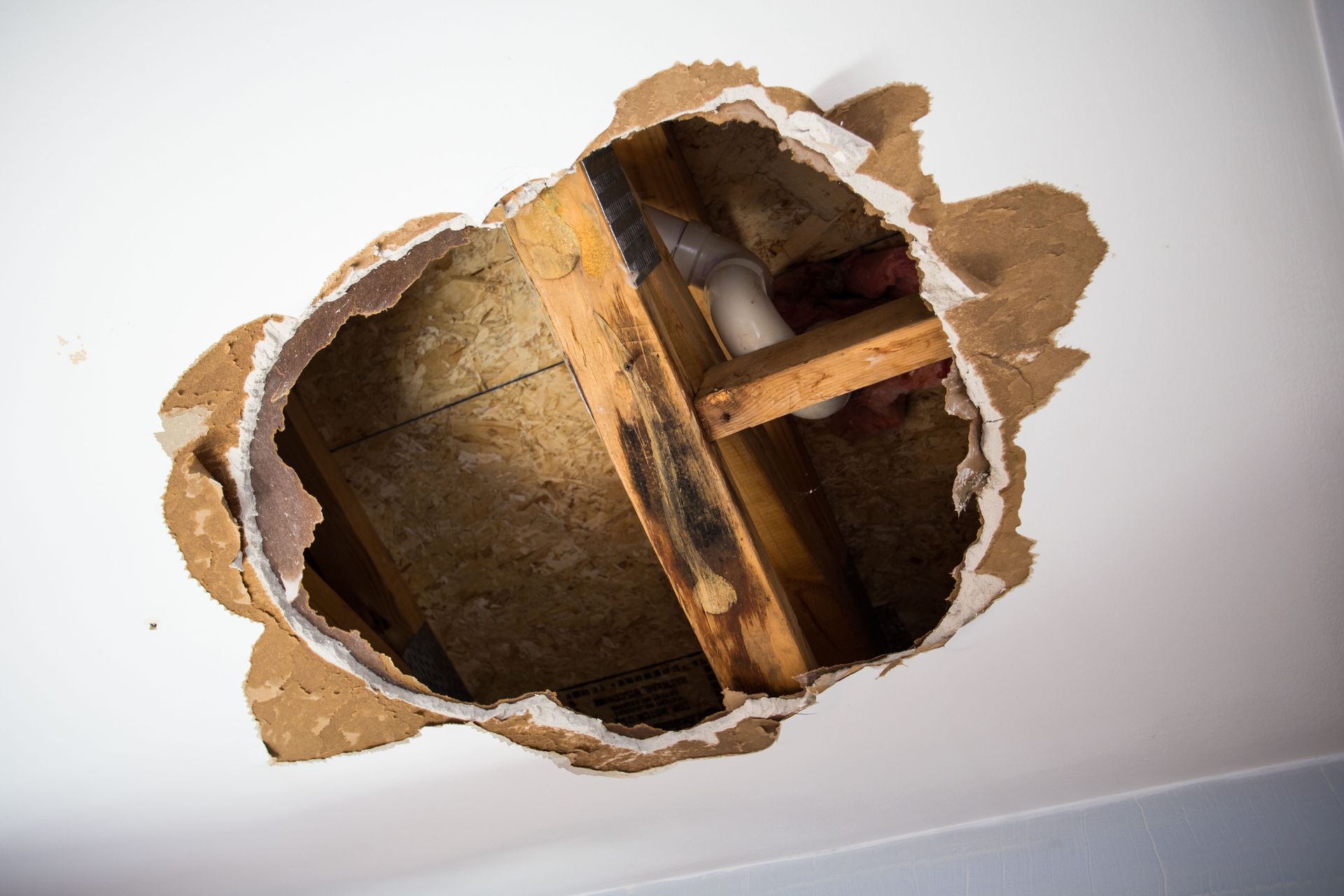
Replacing drywall provides an opportunity to address issues hidden behind existing wall surfaces. Upgraded insulation can support moisture control and help protect wall assemblies from conditions that contribute to deterioration. Properly managed moisture can reduce the potential for mold, mildew, and damage to surrounding building materials.
According to Home Guide, drywall can last 30 to 75 years with proper care. Protecting the wall environment through appropriate insulation and moisture management can help homeowners get more value from that investment. A skilled multifamily drywall contractor can evaluate the wall assembly during replacement and help ensure the new materials are installed correctly.
Insulation can also contribute to a more stable indoor environment. Limiting significant temperature changes within wall systems may help reduce stress on building materials. Choosing appropriate insulation and installation methods therefore supports not only comfort but also the long-term condition of the property.
During replacement, professionals can also inspect areas that may have experienced previous moisture intrusion, settling, or deterioration. Identifying these concerns before new drywall is installed gives property owners an opportunity to address underlying problems rather than covering them with a new finished surface. This attention to the wall assembly can support a more durable renovation.
For multifamily properties, durability matters because repeated repairs can affect occupants, maintenance schedules, and operating costs. A multifamily drywall contractor can help property owners approach wall replacement as a comprehensive improvement, with attention to both the visible finish and the materials supporting it.
Upgrading insulation during drywall replacement is an opportunity to improve energy efficiency, comfort, durability, cost control, and overall indoor conditions. Instead of treating drywall replacement as a surface-level renovation, homeowners can use the project to strengthen the wall system behind the finished surface. Choosing an experienced multifamily drywall contractor can help ensure the insulation and drywall work are properly coordinated from start to finish.
Combining these improvements can also make the renovation more efficient because the wall cavities are already accessible. Homeowners can address hidden concerns, improve wall performance, and build a stronger foundation for the new drywall finish. The result is a renovation designed to provide benefits well beyond the visual appeal of fresh walls.
If you are planning a drywall replacement or renovation, contact Modern Drywall, Inc. to discuss how professional drywall and insulation services can help improve your property. We look forward to working with you and starting your new home insulation project today!